IPTV Encoder: The Hidden Engine Behind Modern Streaming Technology
In today’s fast-moving digital era, Internet Protocol Television (IPTV) has revolutionized the way audiences consume video content. Whether it’s live sports, on-demand movies, or corporate broadcasts, IPTV has become the backbone of modern media delivery.
But behind every smooth, high-quality video stream lies an essential piece of technology — the IPTV Encoder.
An IPTV Encoder is what makes it possible to convert raw video into a format that can be efficiently streamed over the internet. In this article, we’ll explore what an IPTV Encoder is, how it works, its main types, and how to choose the right one for your project.
What Is an IPTV Encoder?
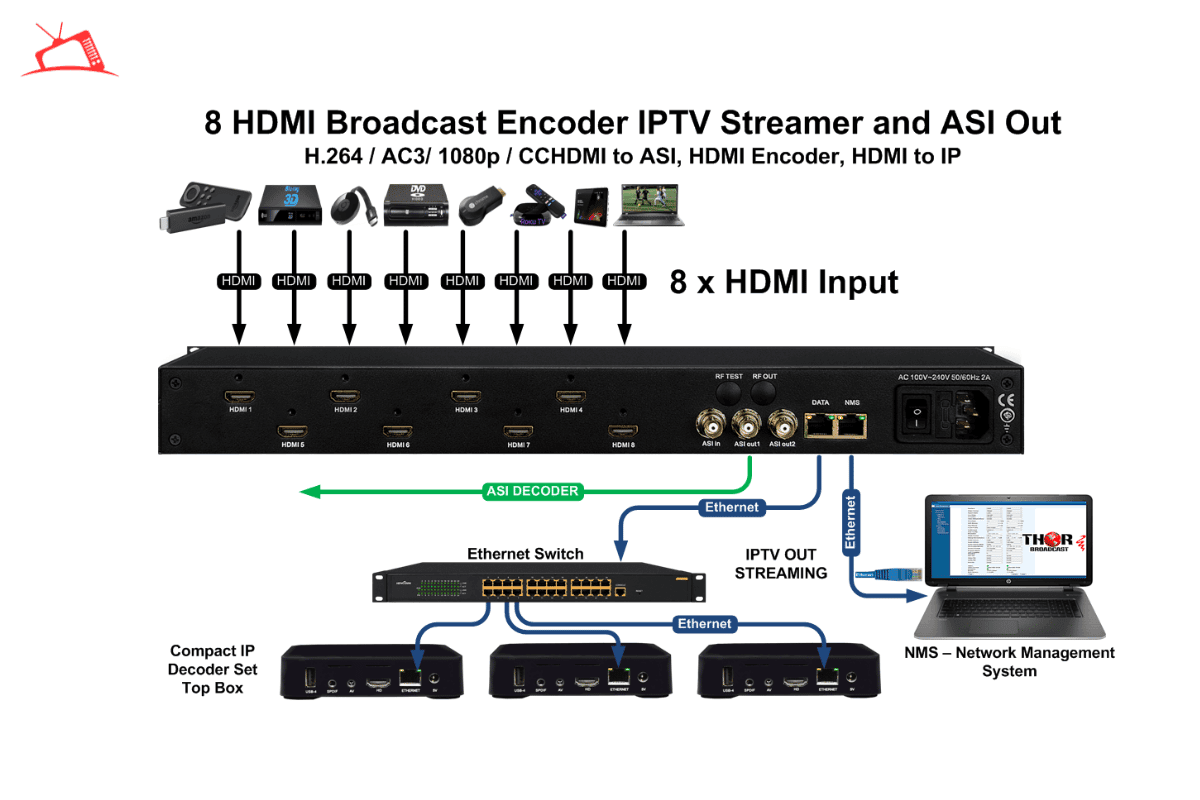
An IPTV Encoder is a device or software that converts video signals (either analog or digital) into compressed data streams suitable for internet transmission.
It’s the bridge between traditional broadcasting and modern online streaming.
Essentially, the IPTV Encoder takes large video files and compresses them into smaller, high-quality digital streams that can be transmitted efficiently over IP networks.
Without this process, IPTV platforms wouldn’t be able to deliver stable, HD-quality videos to users around the world.
How Does an IPTV Encoder Work?
The IPTV Encoder performs several technical steps to transform raw video into a stream-ready digital format. Here’s a simple breakdown of the process:
1. Video Capture
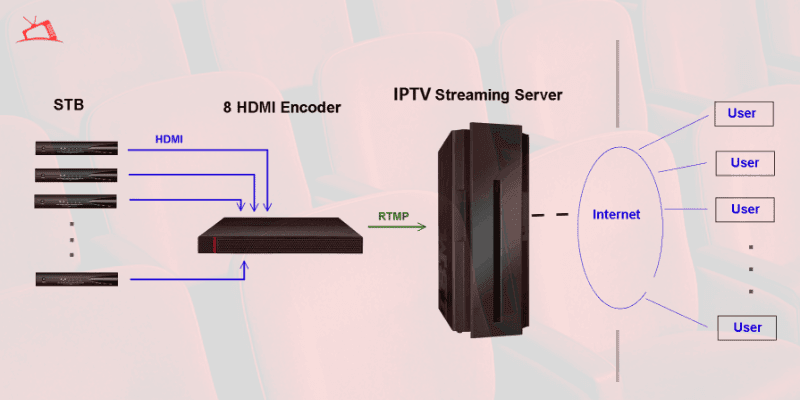
The encoder receives video input from cameras, HDMI sources, or satellite feeds.
2. Compression and Encoding
The IPTV Encoder compresses the video using codecs such as H.264, H.265 (HEVC), or MPEG-4 to reduce the file size while maintaining image quality.
3. IP Stream Transmission
The encoded video is then converted into an IP stream and sent to a streaming server or CDN (Content Delivery Network).
This sequence allows IPTV services to distribute hundreds of channels and live broadcasts to thousands of viewers simultaneously without delay.
The Different Types of IPTV Encoders
Not all IPTV Encoders are the same. Depending on the purpose, you can choose between hardware and software encoders.
Hardware IPTV Encoder
A hardware IPTV Encoder is a dedicated physical device designed for stable, high-performance encoding. It’s often used by broadcasters, IPTV operators, and professional studios.
These encoders provide real-time encoding with minimal latency and excellent image quality.
Examples include Magewell Ultra Stream, Teradek Vidiu, and Harmonic Electra.
Software IPTV Encoder
A software IPTV Encoder runs on a computer or server. It’s ideal for content creators, small IPTV providers, and live streamers who want flexibility at a lower cost.
Popular options include OBS Studio, vMix, and Wirecast, which offer professional-grade streaming capabilities.
Why Is the IPTV Encoder So Important?
The IPTV Encoder is more than just a conversion tool — it’s the foundation of efficient digital broadcasting.
Here’s why it’s indispensable:
Bandwidth Optimization
By compressing video efficiently, the IP-TV Encoder reduces the required bandwidth without sacrificing visual quality.
Enhanced Image Quality
Modern encoding formats like H.265 deliver crisp HD or 4K visuals even with limited network speed.
Multi-Platform Compatibility
An IP-TV Encoder ensures the stream can be viewed seamlessly across all devices — Smart TVs, PCs, mobile apps, and browsers.
Secure Content Delivery
Many IP-TV Encoders include built-in encryption (AES, DRM) to protect premium content from unauthorized access.
How to Choose the Right IPTV Encoder
Selecting the perfect IP Encoder depends on your technical needs, audience size, and budget.
Here are the main criteria to consider:
1. Supported Resolution
Make sure your encoder supports your target resolution — HD, Full HD, or 4K.
2. Compression Format
Choose an Encoder that supports H.265 (HEVC) for superior quality at lower bitrates.
3. Latency
For live events, look for an encoder with ultra-low latency (under 2 seconds).
4. Connectivity
The best Encoders include multiple input options — HDMI, SDI, USB, and Ethernet.
5. Software Support and Updates
A good Encoder should offer firmware updates and technical support for long-term reliability.
Real-World Applications of IPTV Encoders
Encoders are used across numerous industries, not just entertainment.
Here are some practical applications:
Education: Live-streaming lectures and online courses.
Corporate: Internal communication, webinars, and conferences.
Sports: Broadcasting live events with multiple camera feeds.
Hospitality: IPTV systems in hotels and hospitals.
Streaming Platforms: Professional broadcasters and OTT providers.
Each of these sectors depends on an IPTV to deliver smooth, reliable, and high-quality video experiences.
The Future of TV Encoders
The future of the Encoder is tied closely to the evolution of digital video and AI.
Emerging trends include:
AI-powered compression algorithms for even higher efficiency.
Cloud-based IP Encoders that allow remote control and scaling.
Integration with OTT and 8K-ready streaming systems.
These innovations will make IPTV more flexible, more affordable, and more accessible to creators and viewers worldwide.
Conclusion
The IPTV Encoder may not be visible to viewers, but it’s the beating heart of every modern streaming system.
It ensures that content creators, broadcasters, and IPTV providers can deliver crystal-clear, secure, and fast video streams across the globe.
If you’re planning to launch an IPTV platform, a live event channel, or even a corporate streaming system, investing in a powerful Encoder is the smartest first step toward success.