IPTV FAQ – Answers to the Most Common IPTV Questions
- Home
- IPTV FAQ
Introduction
IPTV services are becoming a popular alternative to traditional cable and satellite TV. In this IPTV FAQ page, you’ll find clear answers to the most common questions about IPTV streaming, IPTV subscriptions, free trials, supported devices, legality, pricing, and troubleshooting. This guide is designed to help beginners and advanced users understand how IPTV works and how to choose the right IPTV service.
IPTV Basics – Understanding How IPTV Works

What Is IPTV and How Does It Work?
What Does IPTV Stand For?
IPTV stands for Internet Protocol Television. It refers to television services delivered over the internet rather than traditional broadcast methods.
IPTV vs Cable TV – What’s the Difference?
IPTV uses an internet connection to stream content, while cable TV relies on physical infrastructure. IPTV often offers more channels, lower costs, and multi‑device support compared to cable TV.
Is IPTV Better Than Traditional TV?
IPTV can be better than traditional TV for users who want flexibility, international channels, and lower prices. However, streaming quality depends on internet speed and service reliability.
IPTV Legal & Safety Questions

Is IPTV Legal?
Is IPTV Legal in the USA?
In the USA, IPTV services are legal if they hold broadcasting rights. Unlicensed IPTV services may violate copyright laws.
Is IPTV Legal in the UK and Europe?
In the UK and Europe, IPTV legality also depends on content licensing. Users should choose providers that comply with local regulations.
Is IPTV Safe to Use?
IPTV can be safe if you use a reputable provider and secure apps. Risks usually come from unverified services or unsafe downloads.
Do You Need a VPN for IPTV?
A VPN is not mandatory for IPTV, but it can improve privacy and security, especially when streaming on public or shared networks.
IPTV Devices and Supported Apps
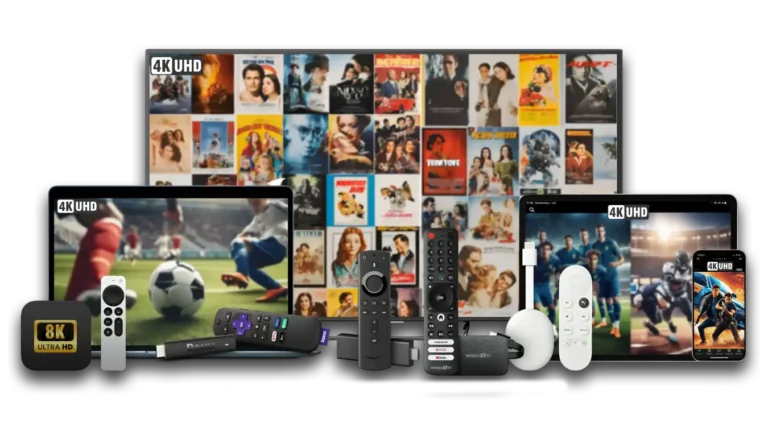
Which Is the Best Streaming Device for IPTV?
Popular IPTV devices include Android TV boxes, Firestick, Smart TVs, smartphones, tablets, and computers. The best choice depends on your viewing habits.
How to Use IPTV on Firestick?
To use IPTV on Firestick, install a compatible IPTV app, enter your subscription details, and ensure you have a stable internet connection.
Best IPTV Apps for Android and iOS
Common IPTV apps include IPTV Smarters, TiviMate, and similar players that support M3U playlists and Xtream Codes.
Can You Watch IPTV on Smart TV?
Yes, many Smart TVs support IPTV apps directly or through external devices like Firestick or Android TV boxes.
IPTV Subscription, Pricing, and Free Trials
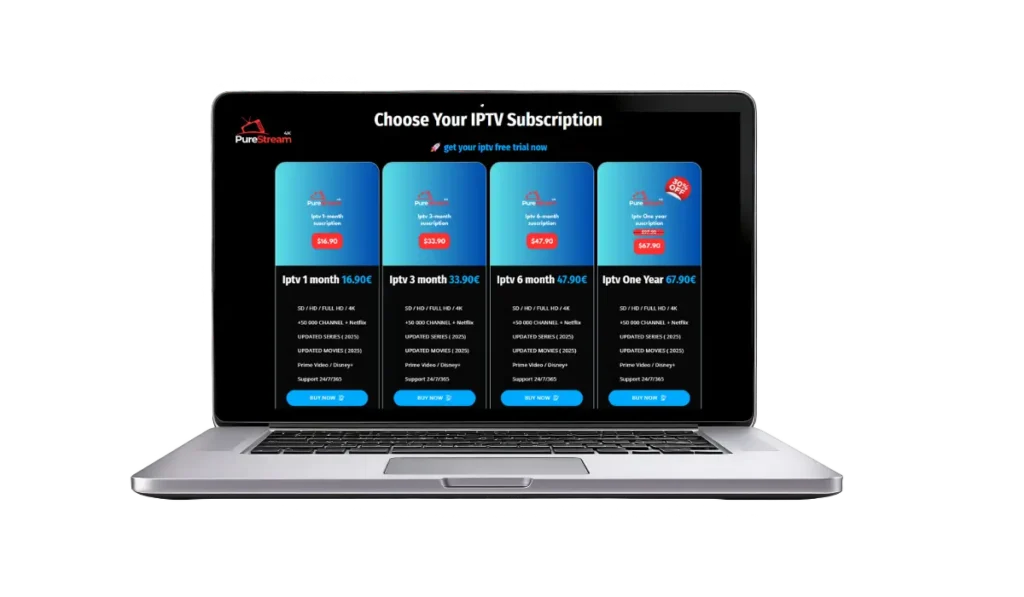
How Much Does an IPTV Subscription Cost?
IPTV subscription prices vary depending on features, channels, and duration. Most services offer monthly or yearly plans at lower costs than cable TV.
Are IPTV Free Trials Safe?
IPTV free trials can be safe when offered by trusted providers. Avoid trials that require unnecessary personal information.
Monthly vs Yearly IPTV Subscription – Which Is Better?
Monthly plans offer flexibility, while yearly subscriptions usually provide better value with discounted pricing.
IPTV Problems and Troubleshooting
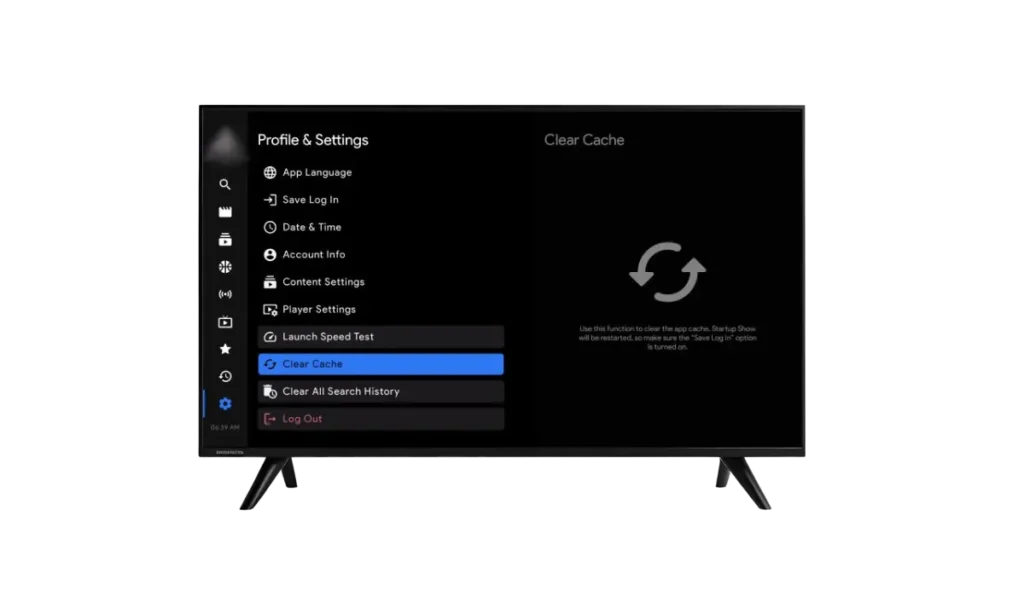
Why Does IPTV Keep Buffering?
IPTV buffering is usually caused by slow internet speeds, overloaded servers, or device performance issues.
IPTV Not Working – How to Fix It?
If IPTV is not working, restart your device, check your internet connection, update the app, and verify your subscription details.
How to Fix IPTV Freezing Issues
Freezing issues can be fixed by using a wired connection, lowering stream quality, or choosing a more stable IPTV provider.
Why Do IPTV Channels Stop Working?
Channels may stop working due to server maintenance, expired subscriptions, or temporary provider outages.
IPTV Channels, Sports, and Content
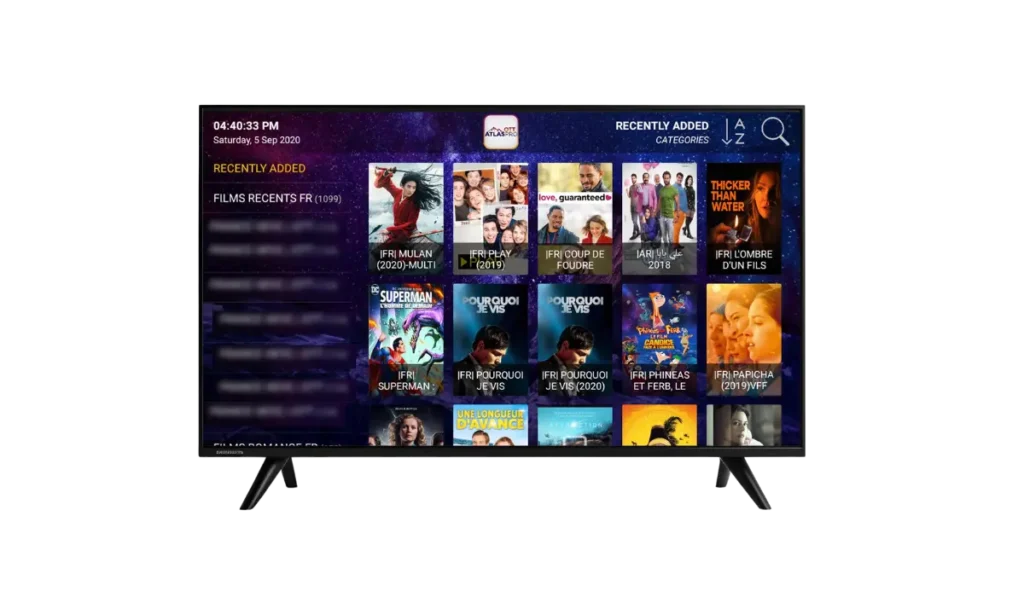
Does IPTV Include Live Sports and PPV?
Many IPTV services include live sports channels and pay‑per‑view events, depending on the subscription package.
Does IPTV Offer International Channels?
IPTV often provides international channels from different countries, making it popular among global viewers.
What Is IPTV VOD?
IPTV VOD (Video on Demand) allows users to watch movies and TV shows anytime without following a broadcast schedule.

- 17 London HW1 BCW UK
- +44 7301494015
- support@purestream4k.com